Historic home restoration on the South Coast
Old houses are the work Tom Figueiredo likes best. We take on the structure first, then the floors, walls and trim, and keep as much of the original house as can be saved.
What a historic restoration with us involves
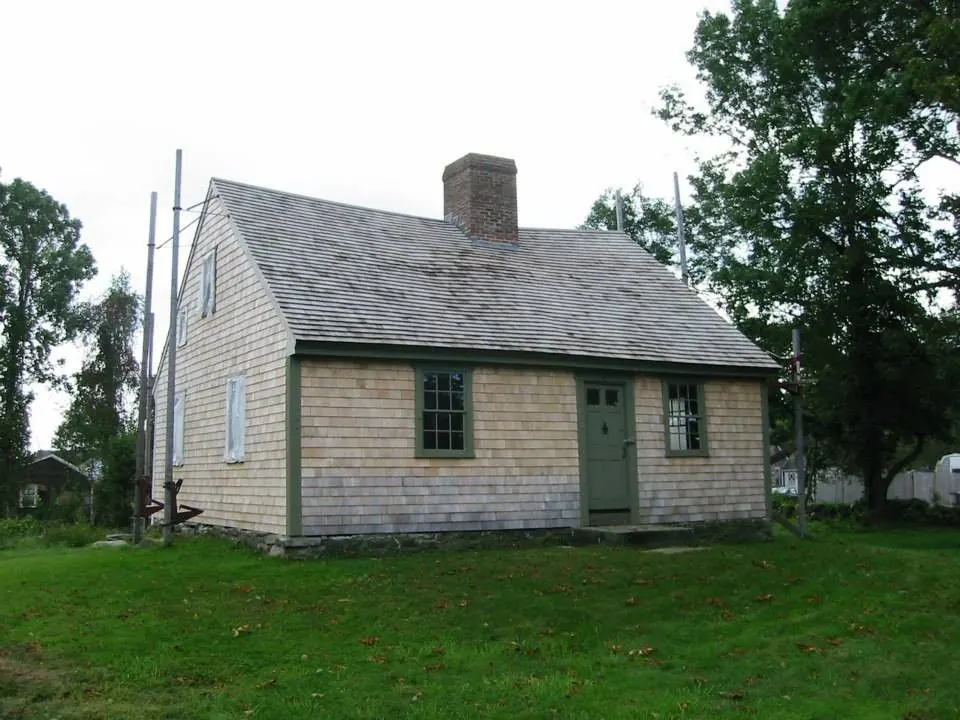
A historic restoration with Figueiredo Carpenter & Custom Builder means Tom opens the house up, finds what has failed, and repairs it in the original manner wherever that is sound. Old material is reused when it can be: boards, rafters, trim. New work is cut to match what was there. The company has restored dozens of houses and landmarks, some dating to the 1730s.
Who this is for
- You have just bought an antique house and you know it needs work, but not how much.
- Something structural has shown up: a sagging floor, a cracked wall, a sill gone soft.
- You want the house repaired, not modernised out of all recognition.
- A town board, a trust or a congregation is responsible for an old building and needs a contractor who has done this before.
What the work can cover
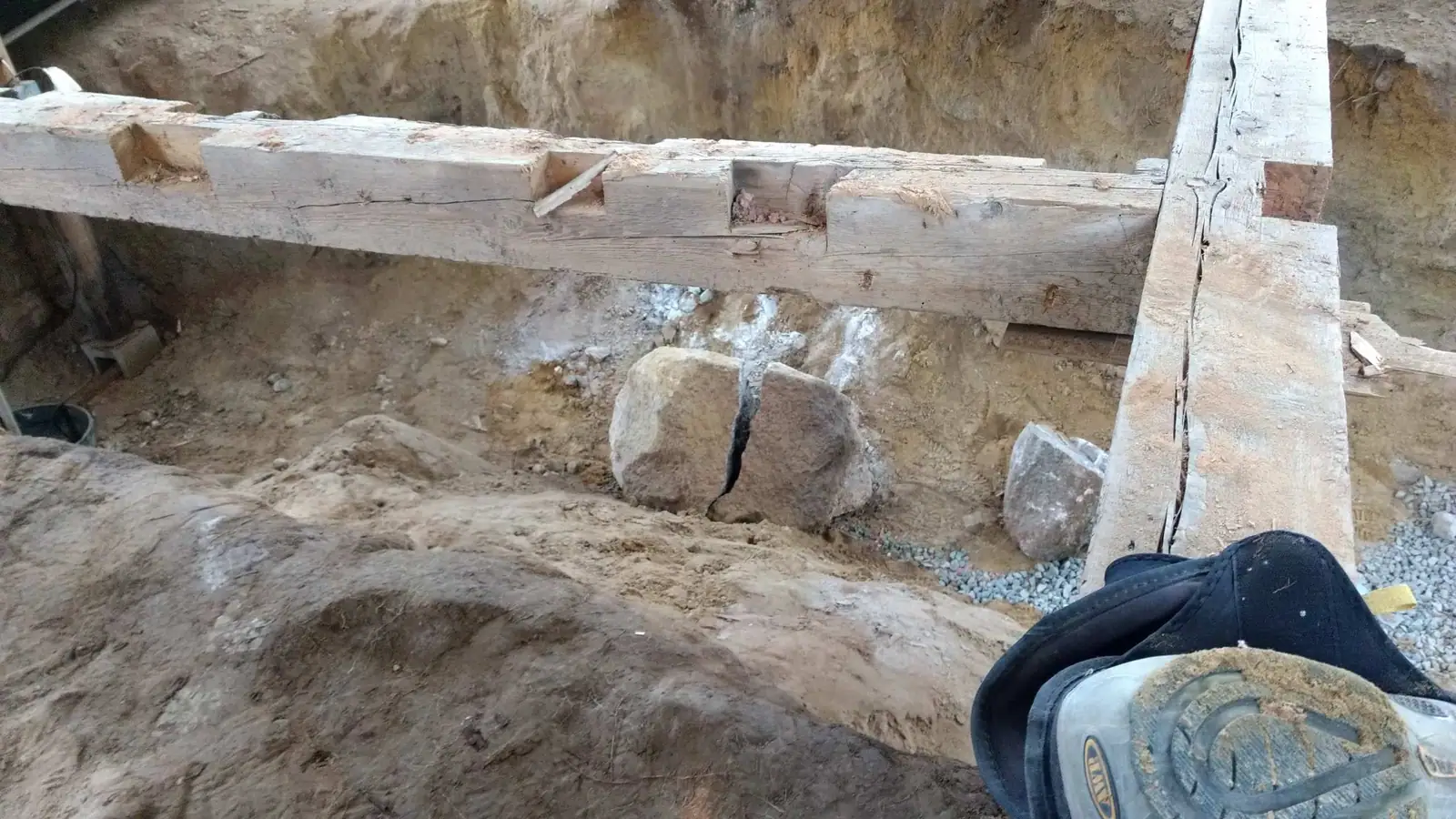
- Sills, posts, joists and rafters: repaired, sistered or replaced in kind
- Wide plank floors lifted, labelled and relaid in their original places
- Walls reframed or braced where a building has been moving
- Original wainscoting, chair rails, railings and mouldings taken down and reinstalled
- Trim and mouldings matched in our own shop when a piece is beyond saving
Historic restoration: from the job sites
How we go about it
Reuse comes first
Our first choice on any restoration is to use the materials already on site. Old-growth lumber is usually better than anything you can buy today, and it is already the right size for the house.
"I repurpose a lot on the job," Tom told Sippican Week in 2018. "I can reuse rafters and stuff like that. It's saving money and you're getting better lumber than you can buy now."
Structure before finishes
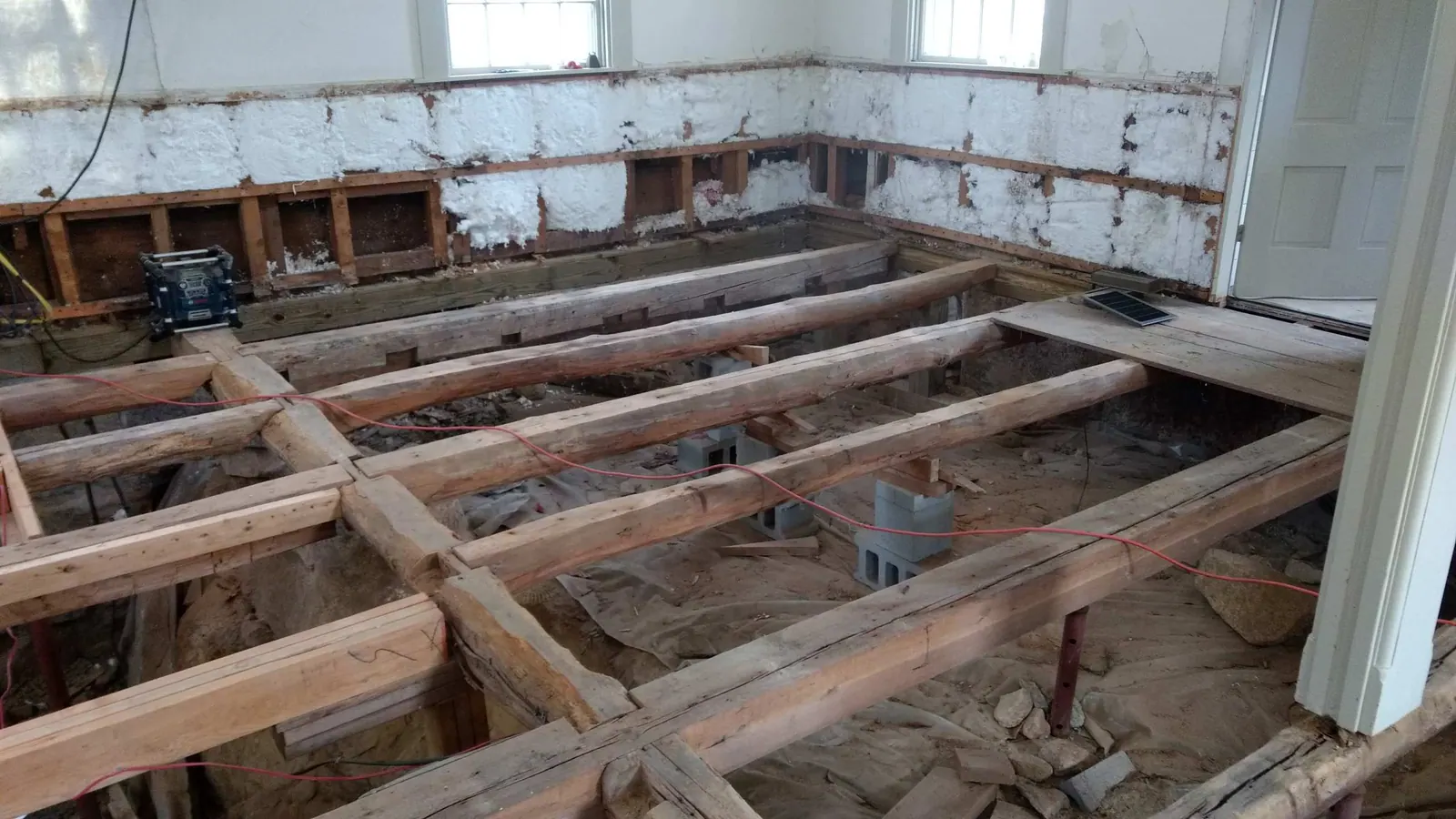
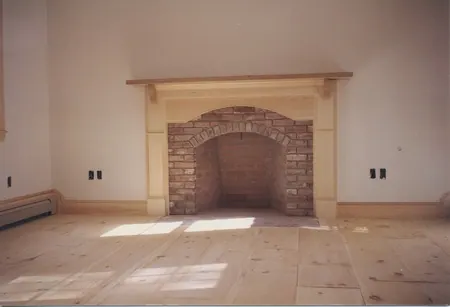
A restoration that starts with paint and ends with a sagging floor is money spent twice. We start underneath. On the Mattapoisett Meeting House that meant lifting the floor, digging a usable basement by hand and building a new floor system to today's code before any of the original woodwork went back in.
Trim that matches
Since 1980 Tom has collected more than 50 traditional mouldings, several of them more than a century old. When a run of casing or crown can't be saved, the replacement is made in our shop to the same profile, and we bring samples to the house so you can see them against the original.
What it costs
Restoration is priced after Tom has been through the house, because nobody can price what they haven't seen. One of our clients put it well: "you never know what needs to be done until you open it up." We set up a process for exactly that, and you are told before each new phase starts.
Book the free consultation“Tom Figueiredo is by far the best carpenter/builder we have ever hired to restore our antique homes.”
Historic restoration we've done
1827
Mattapoisett, MA
Mattapoisett, MA · 1827
The Mattapoisett Meeting House
An 1827 Greek Revival meeting house made safe again, with its original floors and woodwork put back.
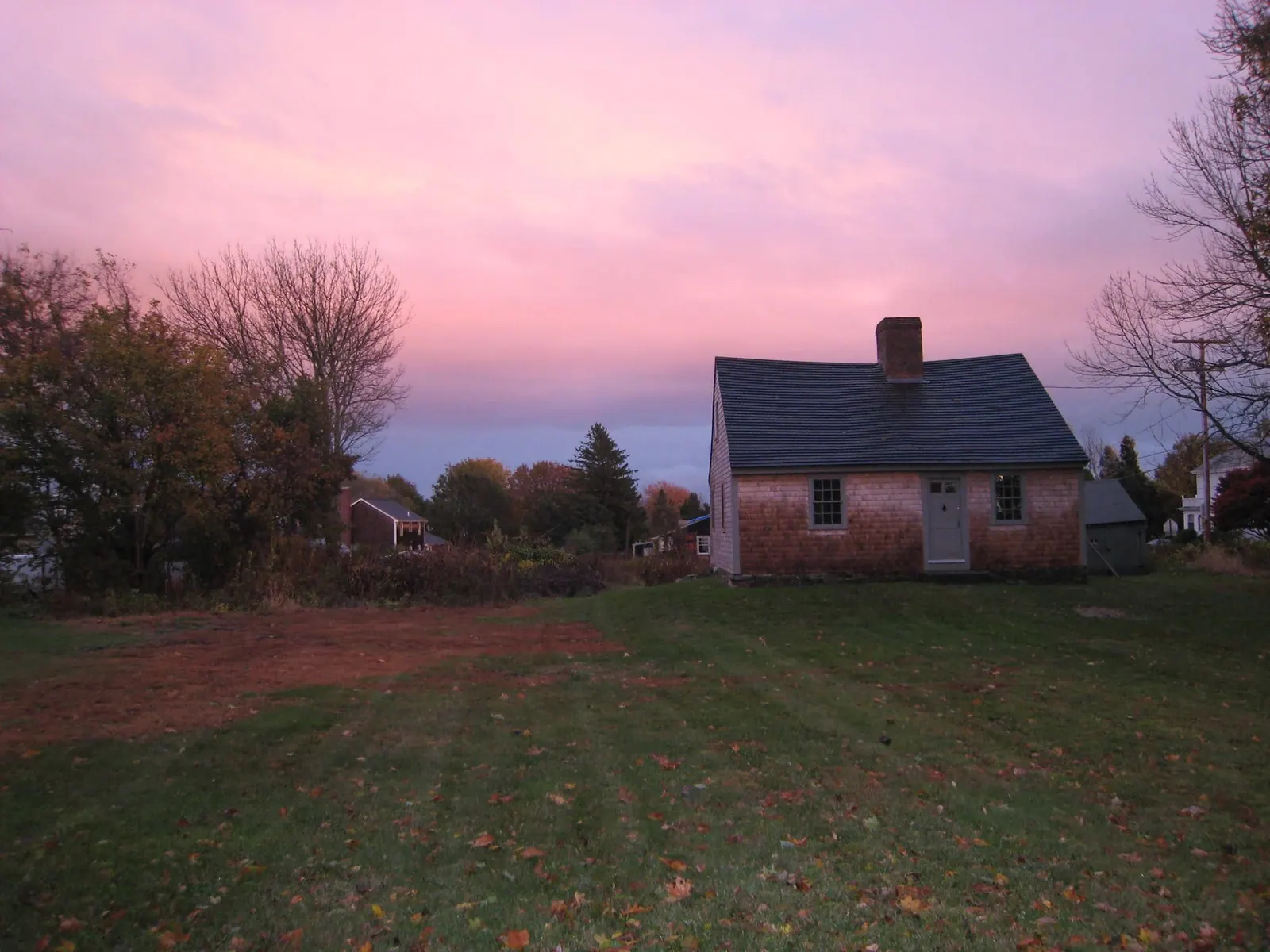
Dartmouth, MA · c. 1762
The Elihu Akin House
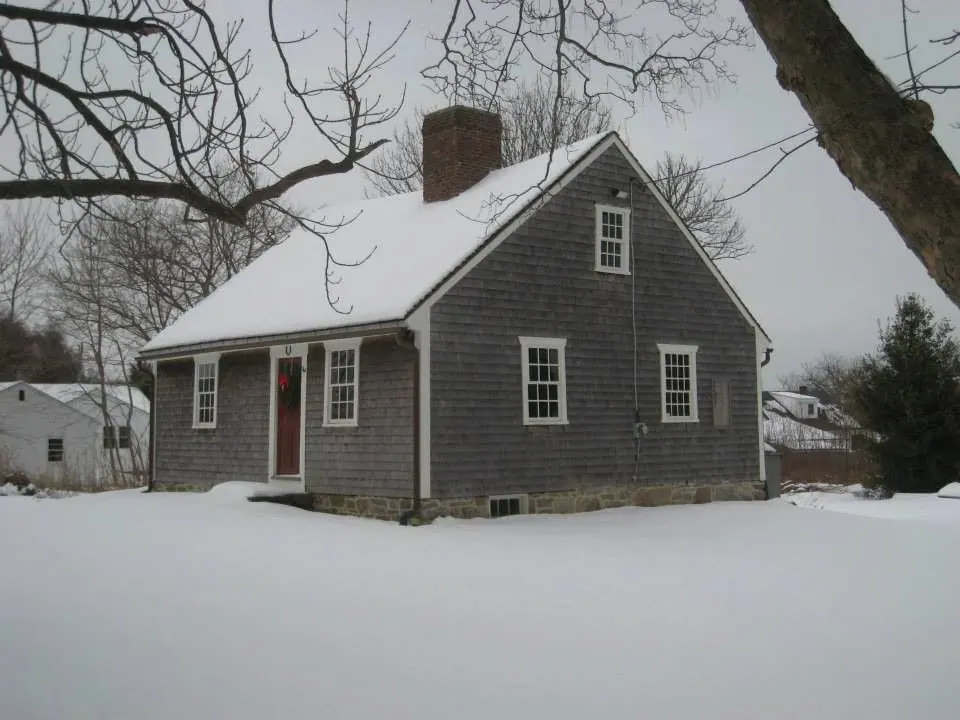
Preservation contractor on Phase III of a c. 1762 Cape for the Dartmouth Heritage Preservation Trust.
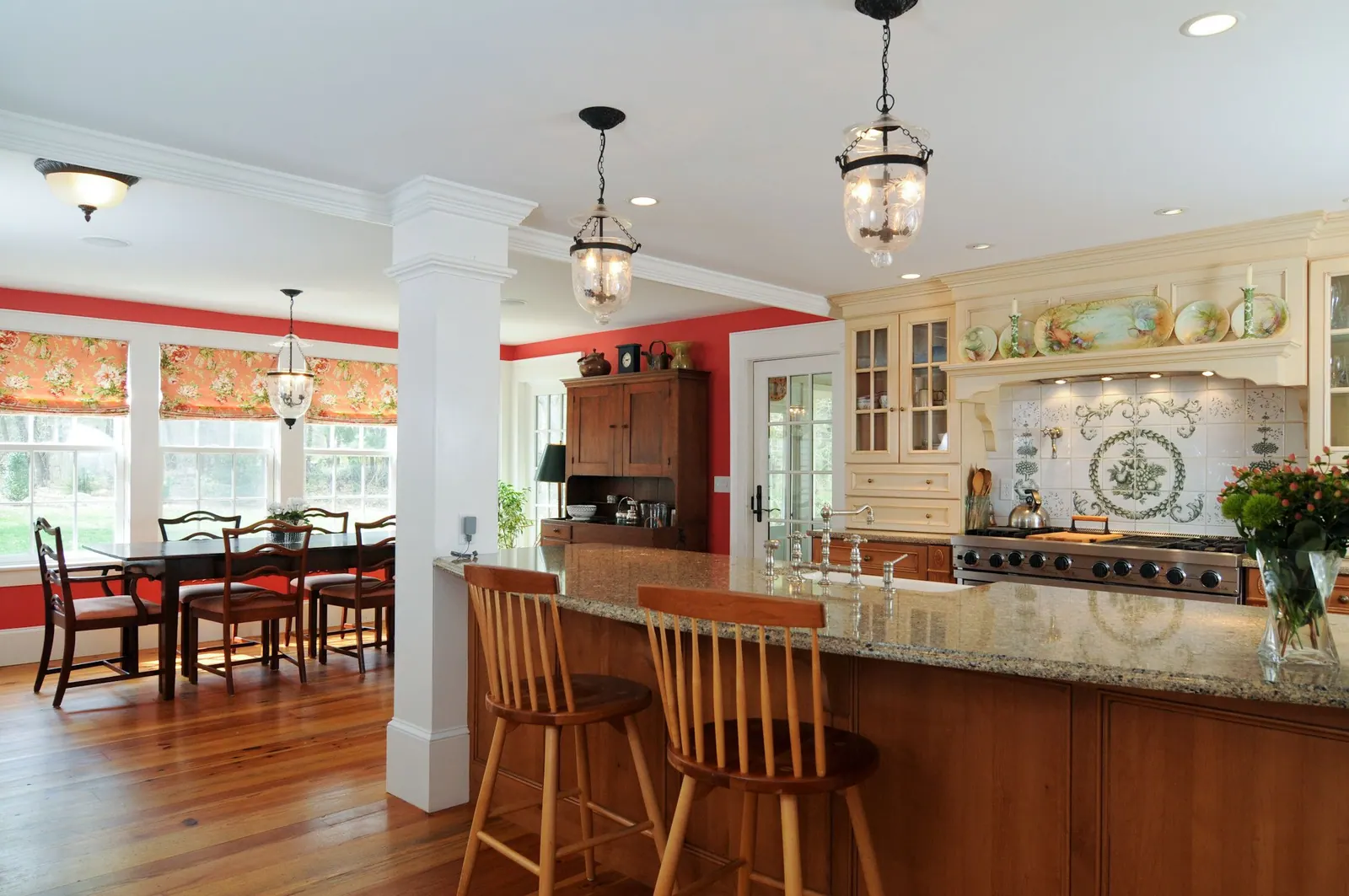
Plymouth, MA
A historic kitchen in Plymouth
Columns, a farmhouse-sink island and cream cabinetry in a restored Plymouth kitchen.
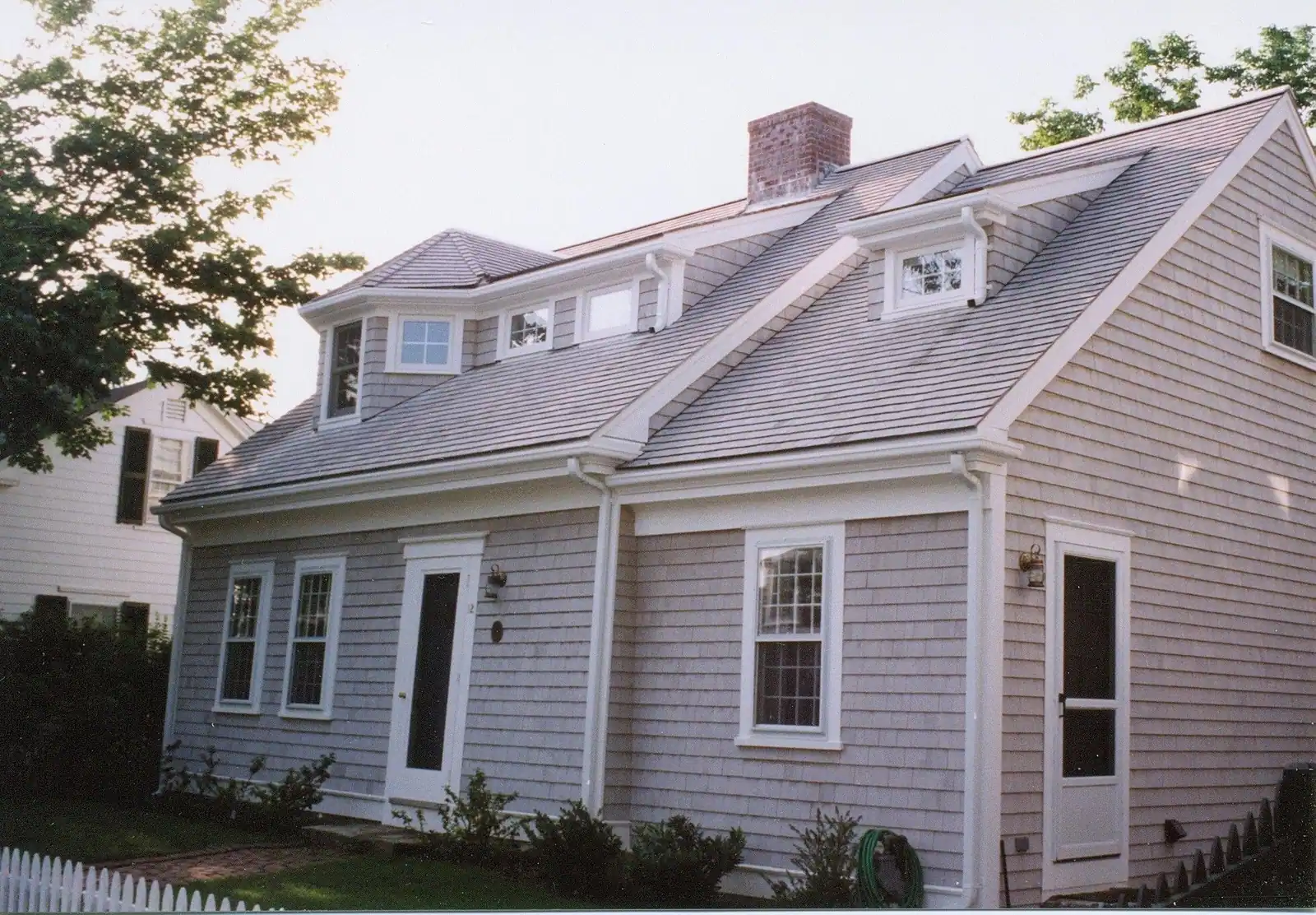
South Coast, MA
A shingled Cape and its screened porch
A Cape with dormers restored, plus a screened porch and deck that look original to the house.
Historic restoration: questions
How old are the houses you restore?
The company has restored dozens of historic homes and landmarks, some dating back to the 1730s. Recent work includes the c. 1762 Elihu Akin House in Dartmouth and the 1827 Meeting House in Mattapoisett.
Can you keep my original floors and trim?
Usually, yes. On the Mattapoisett Meeting House the original wide plank floorboards were lifted, labelled and put back in their exact places, and the original wainscoting, chair rails and railings were reinstalled.
How do you price work when nobody knows what is inside the walls?
Tom sets up a staged process. The house is opened up, what is found is explained to you, and nothing new starts until you have agreed to it. Clients have described that process as fair and say they were kept in the loop throughout.
Do you work with architects and preservation groups?
Yes. The Mattapoisett Meeting House was surveyed and restored with architect Joe Booth, and the Akin House work was for the Dartmouth Heritage Preservation Trust.
Walk the house with Tom
The first visit is a free consultation. Tom comes out, looks at the house, listens to what you want, and tells you straight what it involves. Call (508) 748-1486, Monday to Friday, 7am to 5pm.